
Citrus fruits like oranges, lemons, and sweet limes are popular around the world. But processing them efficiently is not always easy. From sorting to juicing, every step matters.
If you run a citrus farm or processing facility, you want to get the most out of your fruit. You want to save time, reduce waste, and make more money.
Modern fruit grading machines can help. They sort citrus fruits by size, weight, and quality. This makes the whole process faster and better.
Here are the top 5 tips for improving your citrus processing efficiency using grading equipment.
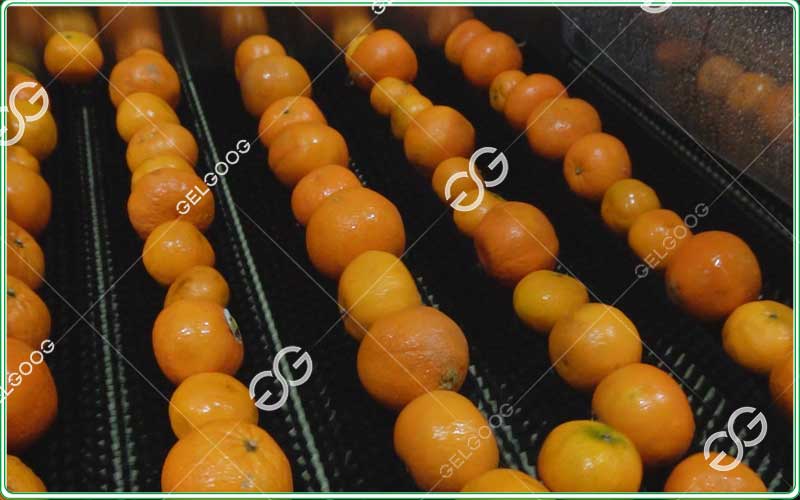
Tip 1: Start with Consistent Grading
The first step to efficiency is consistency. If your fruits are all different sizes, the rest of your process becomes harder.
Why grading matters:
When fruits are mixed together, machines downstream cannot work at their best. Juicers work better with uniform fruit. Packing lines run faster with consistent sizes .
How grading machines help:
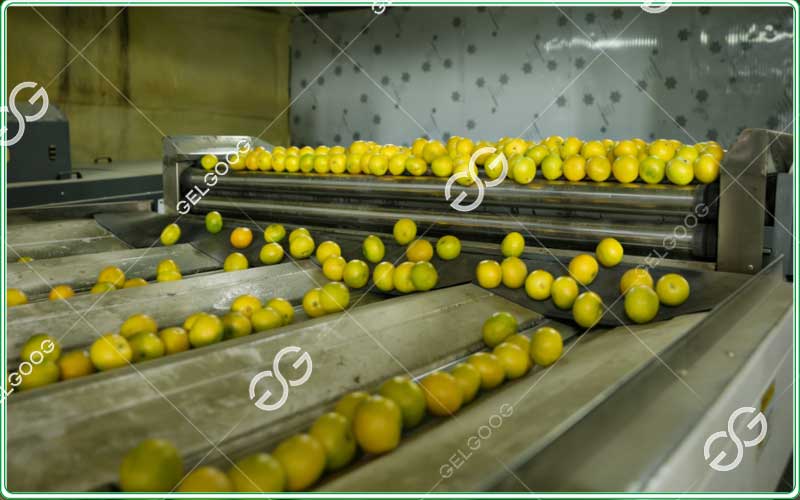
A good citrus grader sorts fruits into uniform groups. This grader runs at 5 tons per hour. That means in one hour, it processes as much fruit as several workers can in a full day .
Real results:
One farmer in India used this grader for sweet lemons. Manual grading took 2,778 man-days to process 1,250 tons of fruit. The grader did the same job in just 32 days. It saved 98.84% of labor time .
The takeaway:
Start with good grading. It makes every step after that more efficient.
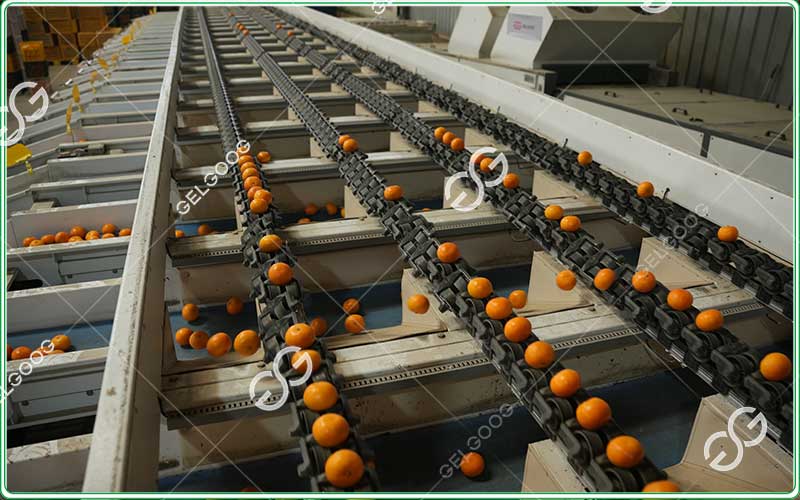
Tip 2: Match the Grader to Your Fruit Type
Not all graders are the same. Different fruits need different machines.
Spherical fruit graders:
Many citrus fruits are round. Oranges, lemons, and sweet limes all have similar shapes. A multi-fruit grader works well for these.
Specialized citrus graders:
Some graders are made just for citrus. A double helix conveyor grading device was developed specifically for citrus. It uses machine vision to capture the full surface of each fruit. This helps spot defects that humans might miss .
What to look for:
- Adjustable settings for different fruit sizes
- Gentle handling to prevent damage
- High accuracy (95% or better)
The takeaway:
Choose a grader designed for citrus. It will work better and last longer.
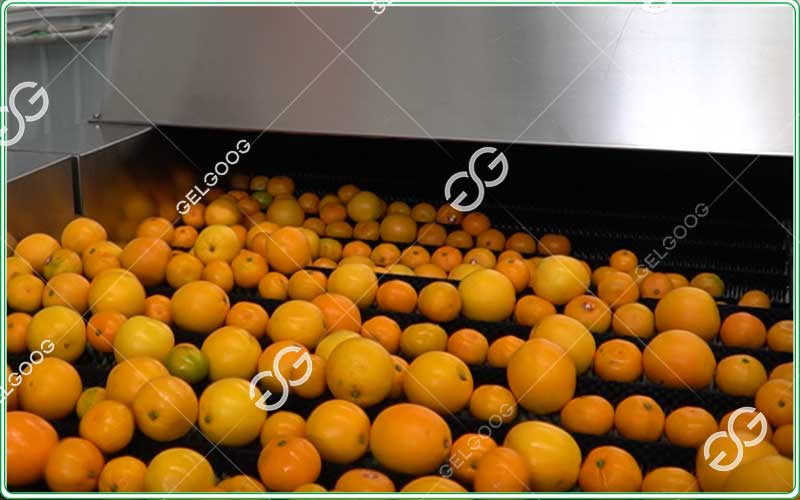
Tip 3: Combine Grading with Other Processing Steps
Grading should not be a standalone step. When you connect it to other processes, efficiency goes up.
The complete line:
Think about the whole process from fruit arrival to final product:
- Receiving: Fruit comes in from the orchard
- Washing: Remove dirt and spray with antiseptic
- Drying: Fans blow warm air to dry the fruit
- Grading: Sort by size and quality
- Processing: Juice extraction, oil recovery, or packing
Grading before juicing:
When fruit is graded before juicing, you can adjust your juicer settings for each size. This extracts more juice with less waste.
Grading before packing:
For fresh fruit, grading ensures uniform sizes in each box. Customers pay more for consistent fruit .
Real numbers:
At Citrusvil’s lemon processing plants, they process 350,000 tons of fruit per campaign. By adding mini-extractors and new centrifuges, they increased oil recovery by 200 grams per ton of lemons. This shows how combining steps boosts overall yield .
The takeaway:
Integrate your grader into a full processing line. Do not treat it as a separate machine.
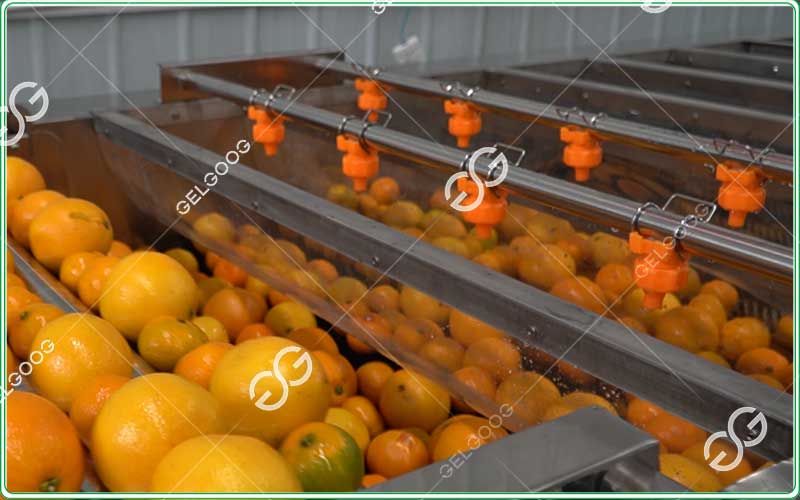
Tip 4: Recover Value from Byproducts
Citrus processing creates waste. Peels, seeds, and pulp are often thrown away. But these “waste” products have value.
The opportunity:
Citrus peels contain essential oils. These oils are used in flavors, cosmetics, and cleaning products. The oil from lemon peel carries significant commercial value .
About 50-60% of the total fruit weight in citrus processing consists of peels, seeds, and residues . That is a lot of material going to waste.
How grading helps:
When fruit is graded properly, the byproducts are more uniform. This makes oil extraction more efficient.
The business case:
With a 100,000-ton fruit harvest and average yield of 2.5 kg of oil per ton, that represents 250,000 kg of oil. Payback for the separator can be as quick as two to six months .
The takeaway:
Grade your fruit well, then recover oil from the peels. It turns waste into profit.
Tip 5: Use Data to Optimize Your Process
Modern grading machines can collect data. Use this information to make your process better.
What data can tell you:
- Size distribution of your crop
- Percentage of defects
- Changes in quality over the season
Why it matters:
This data helps you make decisions. You might learn that certain orchard blocks produce larger fruit. Or that defect rates increase late in the season.
Real-world application:
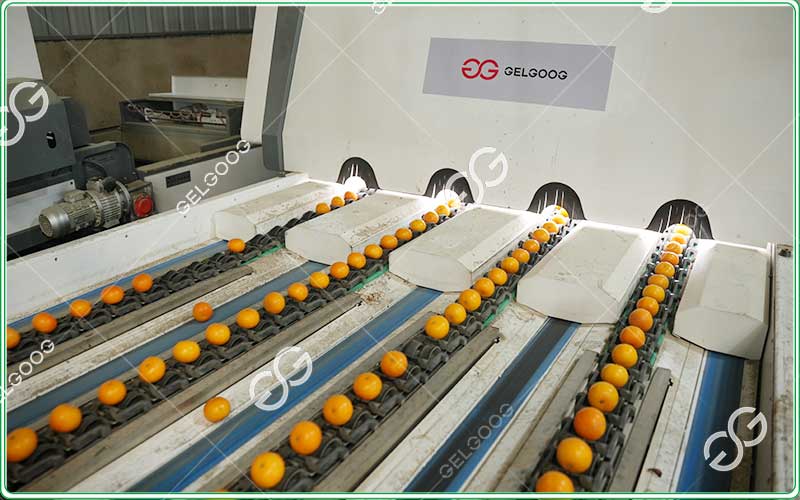
At FTN’s facility in Spain, they process lemons, oranges, and clementines. They use GELGOOG sorting line that can handle flow rates from 10,000 to 24,000 liters per hour. Because they process different fruits, flexibility is important. They can adjust the separator settings to suit each fruit type .
The takeaway:
Use the data from your grader to improve. Track metrics, spot trends, and invest where it matters most.
The Bottom Line
Improving citrus processing efficiency is not hard. It starts with good grading equipment.
Remember these tips:
- Grade consistently – Uniform fruit makes everything easier
- Match the grader to your fruit – Citrus needs gentle, accurate machines
- Connect your processes – Think about the whole line, not just one step
- Recover byproduct value – Peels are profit, not waste
- Use your data – Let numbers guide your decisions
Citrus processing is a growing business. With the right equipment and the right approach, you can process more fruit, waste less, and earn more.