
For growers, packing houses, and distributors, sorting isn’t just about appearance; it’s crucial for determining product value, reducing waste, and ensuring customer satisfaction.
In this blog, we’ll explore various fruit and vegetable grading methods, from traditional to high-tech.
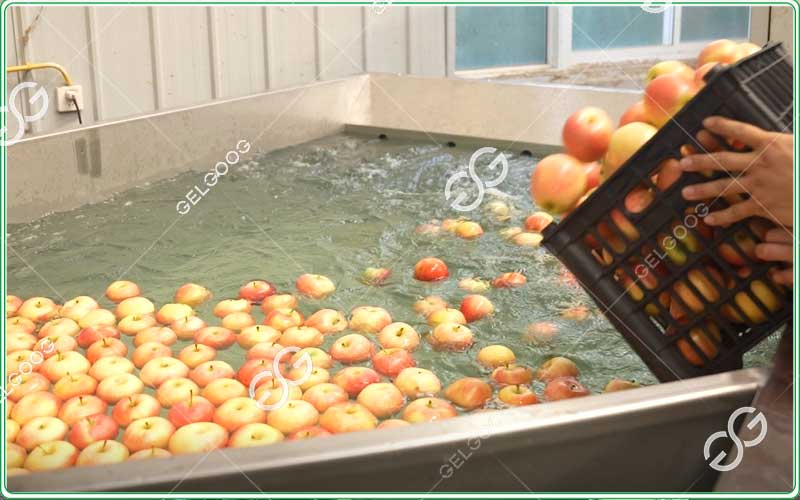
Manual Sorting: Relies on the Human Eye and Experience
While manual sorting has long been the default practice in post-harvest processing, fresh produce packhouses face increasingly severe challenges with human-dependent operations
- How it Works: Trained workers, working on sorting tables or conveyor belts, visually inspect and manually sort individual fruits and vegetables.
- Sorting Criteria: Size, shape, color, and external defects (such as scars, scratches, bruises, and insect holes).
- Advantages: Low initial investment, suitable for small-scale operations. The human brain can flexibly detect complex and irregular defects.
- Disadvantages: Standards may be inconsistent. Low efficiency and labor intensity. Error-prone: High long-term labor costs, and human error can lead to misjudgments and lost revenue.
Standard Methods of Grading Fruits & Vegetables (Physical & Quality Attributes)
Grading fresh fruits and vegetables is the process of categorizing produce into distinct quality classes based on defined market standards. To satisfy market demands and maximize commercial value, produce is evaluated using both Physical/External Attributes and Internal Quality Metrics.
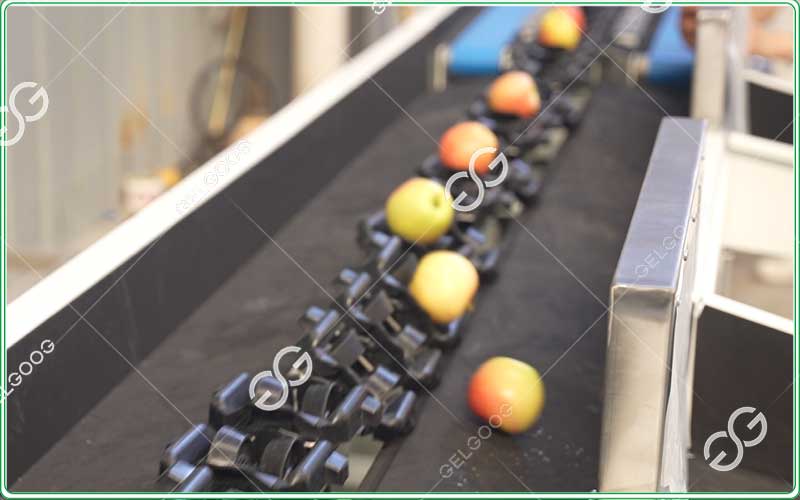
Physical & External Attributes
- Size and Diameter:
- Measured by maximum diameter, length, or circumference.
- Sizing ensures uniform packaging, standardized box counts, and predictable presentation for retail displays.
- Weight :
- Crucial for fruits with irregular shapes (e.g., avocados, mangoes, or melons) where physical dimension does not accurately represent total volume or yield.
- Color and Surface Appearance :
- Skin color serves as a primary indicator of ripeness and aesthetic appeal. Uniform pigmentation commands premium pricing in fresh markets.
- Shape and External Blemishes:
- Detects physiological deformations, wind scars, sunburn, mechanical bruises, or pest injuries. Products are categorized into high-grade (e.g., Extra Class / Class I) or secondary lanes based on freedom from defects.
Internal Quality Attributes
- Soluble Solids Content / Brix:
- Measures the sugar concentration in fruit juice. Higher Brix levels directly correlate to sweetness and superior eating quality.
- Titratable Acidity & Sugar-to-Acid Ratio:
- Determines the balance between tartness and sweetness. This ratio is a critical maturity benchmark for citrus, grapes, and tomatoes.
- Firmness and Pulp Consistency:
- Reflects the structural integrity and potential shelf life of the fruit. Firmer produce withstands transport and long-term cold storage better.
- Dry Matter Content :
- Essential for climacteric fruits (such as avocados, kiwifruit, and mangoes) to predict post-harvest ripening behavior and oil/nutrient density.

Advanced Grading & Sorting Equipment
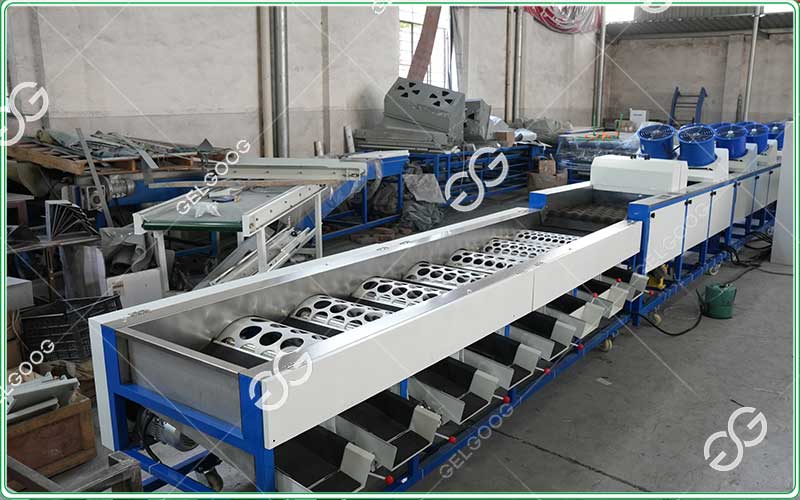
- Weight Sorting Machines:
- Principle: Uses high-precision electronic load cells to weigh each fruit/vegetable in real-time.
- Features: High speed, non-destructive, suitable for irregular shapes.
- Optical & Vision Sorting Equipment:
- Principle: Integrates high-definition CCD cameras and AI image algorithms to scan color, surface defects, shape, and size.
- Features: Multi-dimensional grading, removes bruised or diseased items instantly.
- Internal Quality (NIR) Sorting Systems:
- Principle: Employs Near-Infrared technology to measure internal Brix (sugar content), acidity, and dry matter without cutting the fruit.
Comparison of Grading Methods
| Method | Primary Criteria | Pros | Cons | Best For |
| Manual | Visual & Subjective | Low startup cost | Slow, inconsistent, costly labor | Small farms, local markets |
| Size/Mechanical | Size, Weight | Simple, effective for size | Ignores quality defects | Initial rough sorting, specific crops |
| Electronic (Vision/NIR) | External & Internal Quality | Fast, objective, comprehensive | High initial investment | Commercial packers, quality-focused operations |
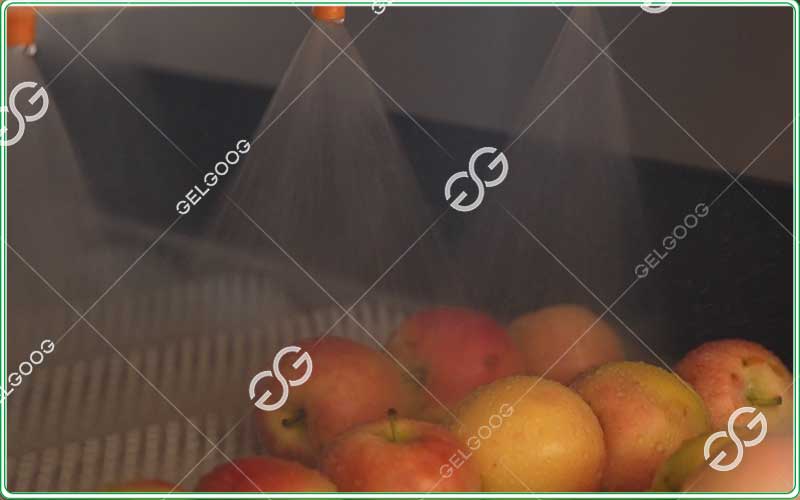
Applications of Sorting Equipment
- Citrus & Apples: Focuses on color uniformity, weight precision, and skin imperfection detection.
- Avocados & Mangoes: Requires soft-handling weighing and internal firmness/maturity testing.
- Potatoes & Onions: Heavy-duty dirt filtering, size grading, and internal rot identification.
- Cherry Tomatoes & Berries: High-speed, small-item sorting with zero-damage soft-drop design.
Summary: How to choose the right sorting method?
The sorting method you choose depends entirely on the size of your operation, target market, and budget.
- For small farms selling at farmers’ markets, manual sorting may be sufficient.
- For packinghouses that need to provide uniform product to retail chains, machine vision systems are essential.
- For producers of high-value products where internal sweetness and quality are key selling points (such as high-end honeydew melons and mangoes), investing in a system that integrates NIR and vision is the best option.
Conclusion
Modern fruit and vegetable grading is no longer limited to manual visual inspection. By integrating physical and internal quality parameters with advanced automated sorting equipment—such as electronic weight sorters, optical vision systems, and non-destructive NIR sensors—food processors and packers can dramatically improve efficiency, minimize product damage, and ensure strict quality consistency across all batches.
Investing in the right grading technology not only elevates brand reputation and meets global supermarket standards but also optimizes operational ROI.
Ready to Upgrade Your Fruit & Vegetable Processing Line? > Contact Gelgoog’s engineering experts today to get a customized, automated sorting and grading solution tailored to your specific crop and capacity requirements.
Looking to improve sorting efficiency and accuracy?
Contact us today for a customized fruit and vegetable sorting solution!