



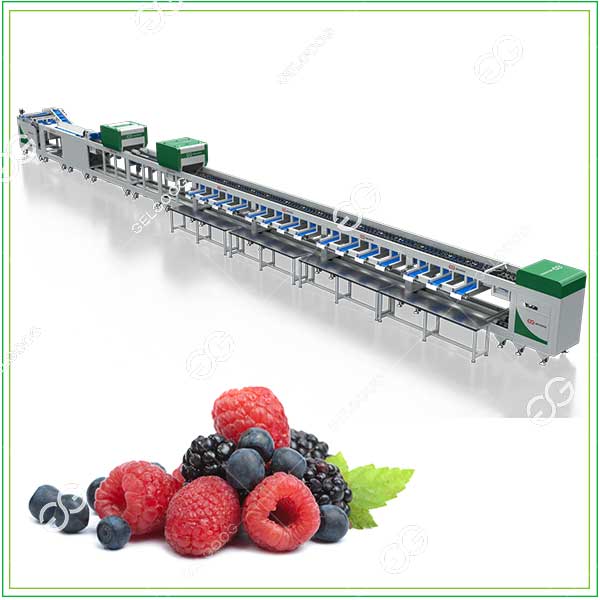
A Berry Sorting Machine automatically separates berries into different quality or size categories. Unlike manual sorting, which depends heavily on operator experience, an automated system applies predefined sorting parameters consistently throughout the production process.
For commercial fruit processors, packhouses, farms, and frozen fruit producers, automated berry sorting helps create more consistent product grades while reducing manual inspection and improving processing efficiency. Depending on the production requirements, the system can combine mechanical size grading with optical inspection, weight classification, or AI-based defect detection.
Typical sorting criteria include:
- Fruit size or diameter
- Weight
- Color and ripeness
- Surface defects
- Mold, rot, bruising, or discoloration
- Misshapen fruit
- Foreign materials
- Premium, standard, and processing grades
For blueberries and other round berries, mechanical grading can use calibrated openings or drum-type grading systems to separate fruit by diameter. GELGOOG’s industrial blueberry grading machine, for example, uses a multi-stage rotating drum to separate blueberries according to size while maintaining continuous material flow.
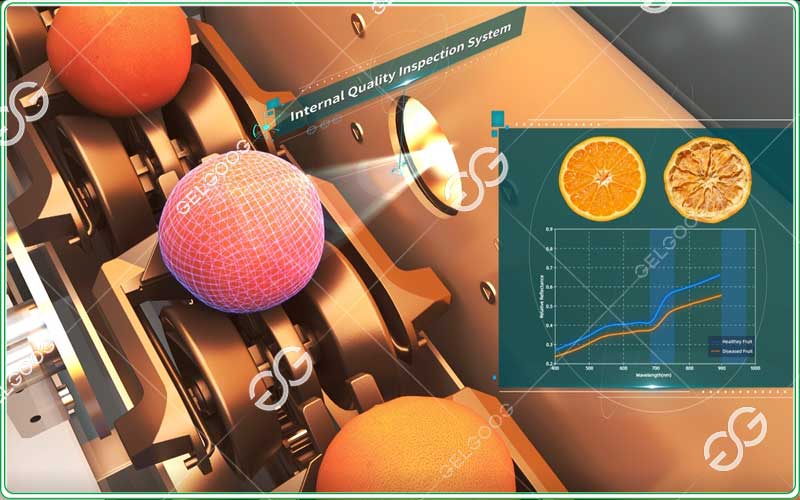
For applications that require more detailed quality inspection, optical sorting technology can analyze berry appearance and automatically remove defective products.
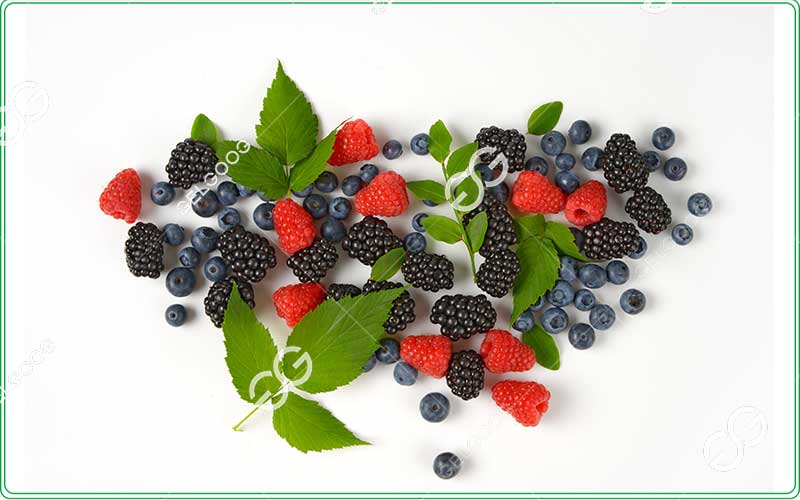
Berry Sorting Machine for Commercial Processing
For large fruit processors, a berry sorting system should work as part of the overall processing line rather than as an isolated machine.
A typical commercial configuration can include:
Berry Receiving → Washing → Dewatering → Sorting → Grading → Inspection → IQF Freezing or Packaging
The exact configuration depends on the raw material and final product.
GELGOOG offers tailored sorting systems covering washing, sorting, grading, and packaging. Equipment configurations are flexible and can be adapted to factory layout, production capacity, and quality requirements.
How Does a Berry Sorting Machine Work? – Key Steps
- Feeding & Product Distribution – Berries enter via hopper, elevator, or conveyor, and are evenly spread to reduce overlap and improve sorting consistency.
- Singulation & Inspection – Berries are separated into individual flow for inspection. Optical systems (e.g., CCD sensors, multi-angle cameras) evaluate color, shape, size, and defects.
- Size or Quality Classification – Berries are graded by diameter, weight, color, ripeness, shape, surface quality, or defect level. Mechanical grading suits size-based sorting; optical sorting handles color, defects, and foreign material detection.
- Automatic Separation – Classified berries are directed to separate outlets, bins, or packaging lines, enabling consistent commercial grading without heavy manual labor.
Berry Sorting Machine Applications
-
Blueberry Sorting Machine – Grades by diameter, weight, color, or quality. Requires gentle handling to protect skin and bloom. GELGOOG uses a rotating drum with adjustable speed, inclination, mesh, and grading levels to suit variety and specs.
-
Strawberry Sorting Machine – Classifies by color, ripeness, shape, size, and defects. Critical for fresh-market appearance and frozen processing quality. GELGOOG’s optical sorter uses inspection and automated rejection based on preset parameters.
-
Raspberry Sorting Machine – Designed for delicate fruit. Requires gentle conveying and controlled feeding to separate damaged or unsuitable berries. Can be integrated before or after freezing depending on process design.
-
Blackberry Sorting Machine – Separates by size, color, ripeness, and defects. Optical sorting excels at detecting mold, discoloration, damage, stems, and foreign materials. Combines mechanical grading with optical inspection for comprehensive quality control.
-
Cranberry Sorting Machine – Sorts for fresh, frozen, or further processing. Removes unsuitable fruit and foreign materials while grading by size and quality.
Mechanical Berry Grading vs. Optical Berry Sorting
Not every berry processing project requires the same sorting technology.
| Sorting Technology | Main Function | Typical Application |
|---|---|---|
| Drum grading | Size/diameter grading | Blueberries, cranberries, round berries |
| Roller grading | Size classification | Round and uniform berries |
| Belt grading | Size and product separation | Mixed fruit processing |
| Optical sorting | Color and visible defects | Fresh and frozen berries |
| AI vision sorting | Advanced appearance classification | Premium fruit processing |
| Weight grading | Weight-based classification | Retail and export packaging |
A mechanical berry grader works well when size is the main grading criterion. However, when appearance, color, ripeness, or defects also matter, optical and AI sorting systems offer greater value.
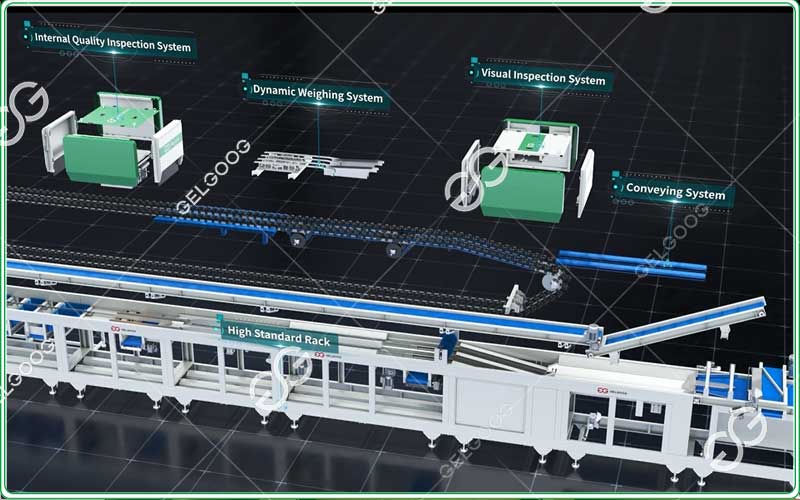
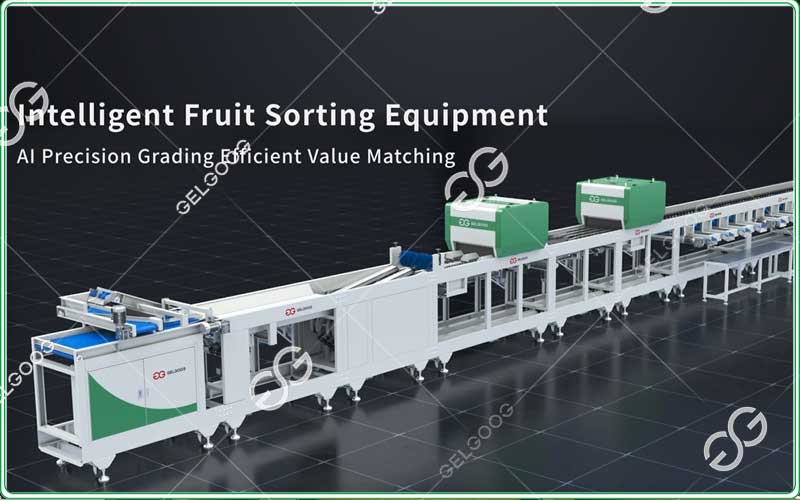
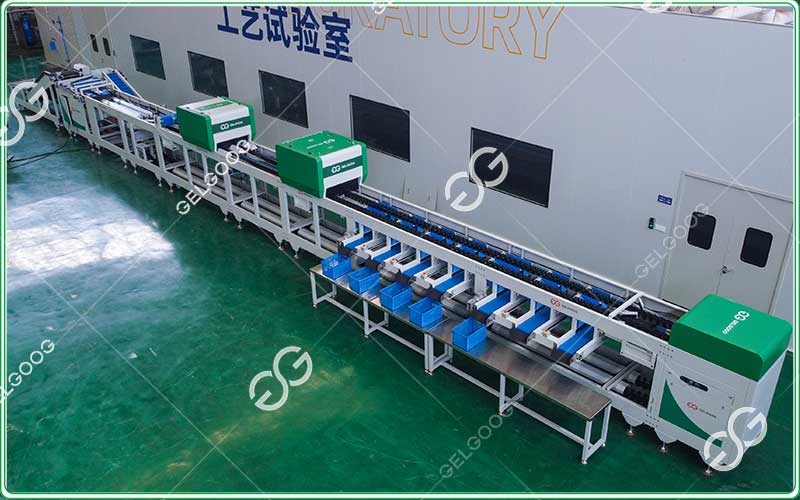
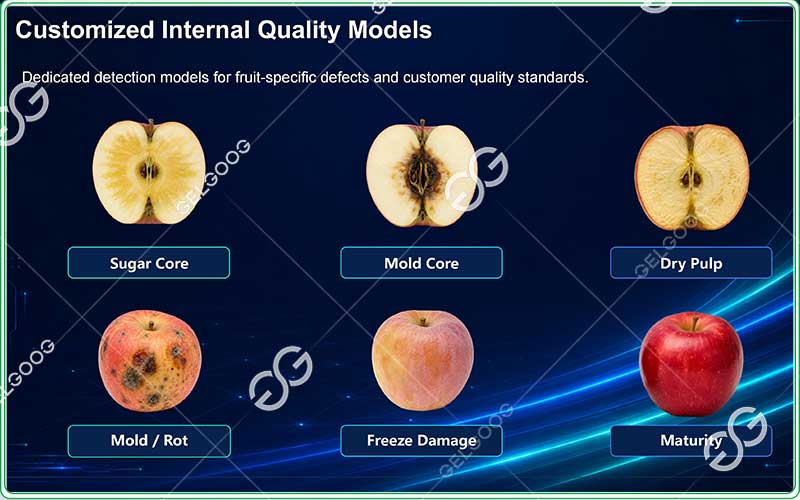
In addition, GELGOOG’s fruit sorting platform integrates size, weight, color, appearance, and internal quality technologies. As a result, processors can choose the right configuration for each crop, rather than applying a one-size-fits-all approach.
Berry Sorting Machines – FAQ
- What berries can be sorted?
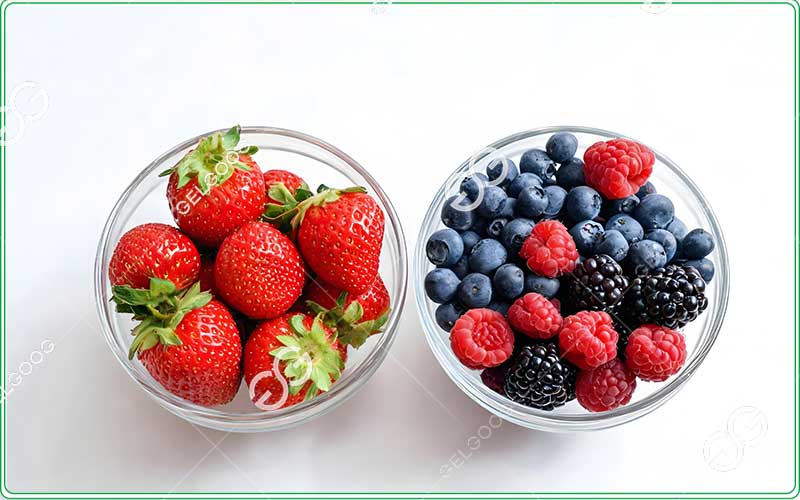
Blueberries, strawberries, raspberries, blackberries, cranberries, and other small fruits. Technology depends on fruit size, shape, condition, and grading criteria. - What’s the difference between a sorter and a grader?
A grader typically handles size or weight classification. A sorter offers broader functionality – including color, defects, ripeness, and foreign material detection. - Can the machine be customized?
Yes – we can tailor grading levels, sorting criteria, capacity, conveyor layout, outlet configuration, and line integration. - How to select the right equipment?
Start with five parameters: berry type, capacity, sorting criteria, product condition, and final application. GELGOOG then recommends a mechanical, optical, or combined solution accordingly.
Reviews
There are no reviews yet.