



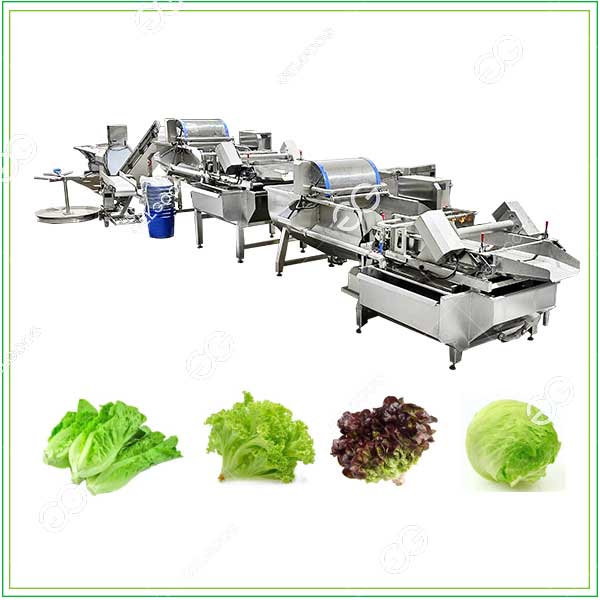
GELGOOG’s lettuce washing and drying line is designed for commercial vegetable processors, fresh-cut salad factories, central kitchens, and food distribution companies. With vortex washing as the core cleaning method and a processing capacity starting at 500 kg/h, the line helps remove soil and surface impurities from lettuce before dewatering, air drying, inspection, and packaging.
Operators can configure the system according to the lettuce variety, incoming material condition, required output, and downstream processing needs. It supports continuous industrial production and helps businesses establish a more consistent lettuce cleaning process.
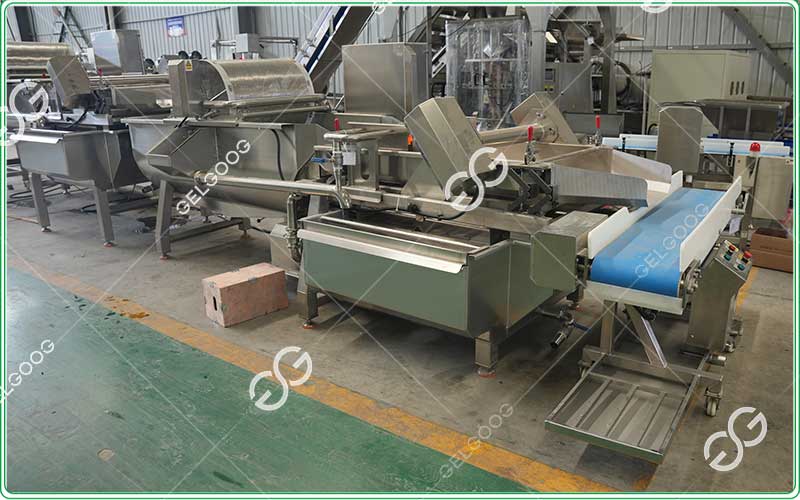
How Does a Vortex Lettuce Washing Machine Work?
A vortex lettuce washing machine uses circulating water to create a rolling flow inside the washing tank. This water movement helps lettuce leaves move through the cleaning zone and exposes different leaf surfaces to the washing water.
The process helps loosen and separate soil, sand, and other surface impurities. Depending on the machine design, additional spray nozzles, air agitation, or impurity collection devices can improve the cleaning process.
The main washing stages are:
- Feeding: Operators or a conveyor feed fresh lettuce into the washing section.
- Vortex washing: Circulating water moves the lettuce through the tank and helps loosen attached impurities.
- Impurity separation: Screens, collection devices, or sediment removal systems can separate suitable types of debris.
- Rinsing: An optional clean-water rinse removes remaining loose particles.
- Discharge: A conveyor transfers the washed lettuce to the next processing stage.
This washing method is suitable for leafy vegetables that require effective cleaning without aggressive brushing. Actual cleaning performance depends on the lettuce condition, water quality, flow settings, and selected washing configuration.
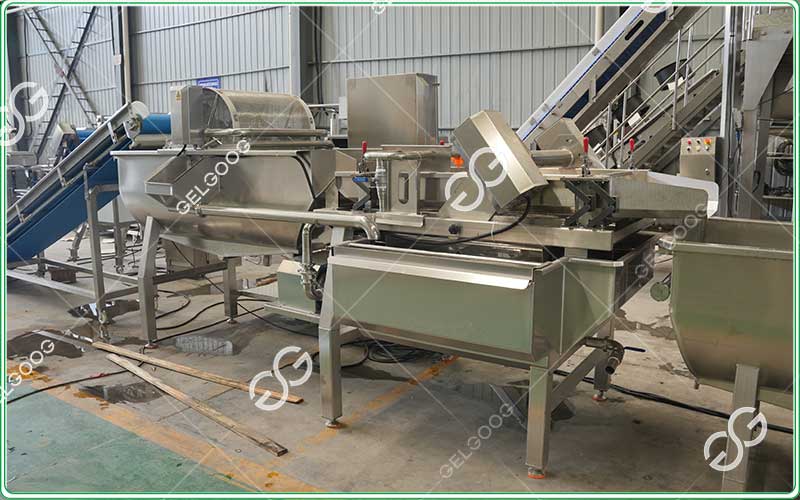
Why Choose Vortex Washing for Leafy Vegetables?
Lettuce has a delicate structure, overlapping leaves, and folds that can trap soil and small particles. A suitable washing system must balance cleaning performance with gentle product handling.
The main advantages of vortex washing include:
- Effective surface cleaning: Water circulation helps loosen soil and debris from leaf surfaces.
- Gentle product movement: Properly adjusted water flow can reduce unnecessary mechanical contact.
- Flexible processing: The washing process can be adapted to different lettuce varieties and incoming material conditions.
- Continuous production: Conveyor connections help integrate washing into a larger vegetable processing line.
- Expandable configuration: Additional rinsing, filtration, dewatering, or air drying equipment can be considered when required.
Vortex washing does not guarantee the removal of every microorganism or pesticide residue. If the final product requires microbial reduction or ready-to-eat processing, the factory should specify an appropriate validated sanitation process and verify its effectiveness.
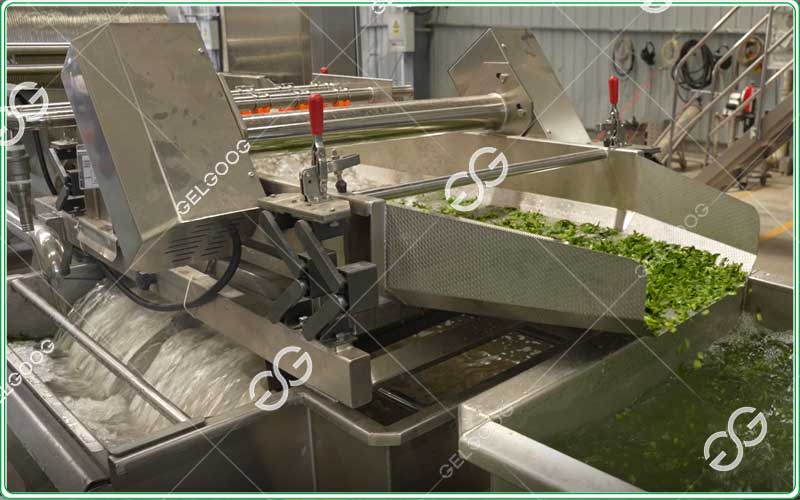
What Is the Difference Between Dewatering and Air Drying?
Dewatering removes a portion of the free water remaining on lettuce after washing. Air drying uses moving air to remove additional surface moisture.
These processes serve different purposes. Dewatering can reduce the water load entering the air drying section, while air drying can help achieve a more suitable surface condition for subsequent handling and packaging.
A typical configuration may include:
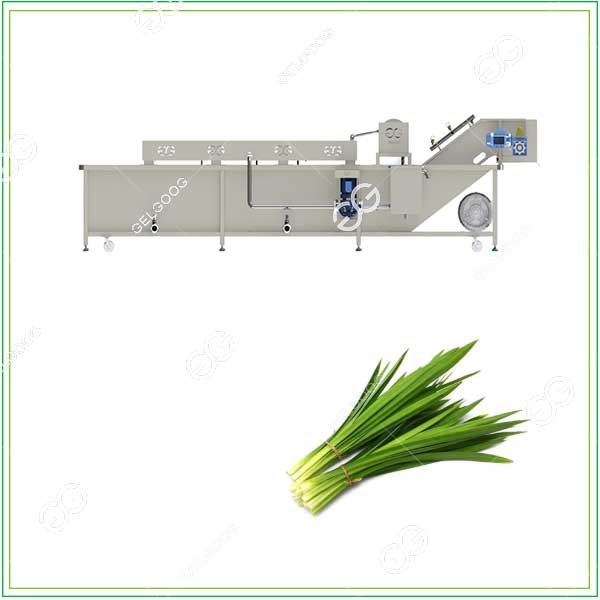
- Vibrating dewatering conveyor: Separates free water as lettuce moves along the conveyor.
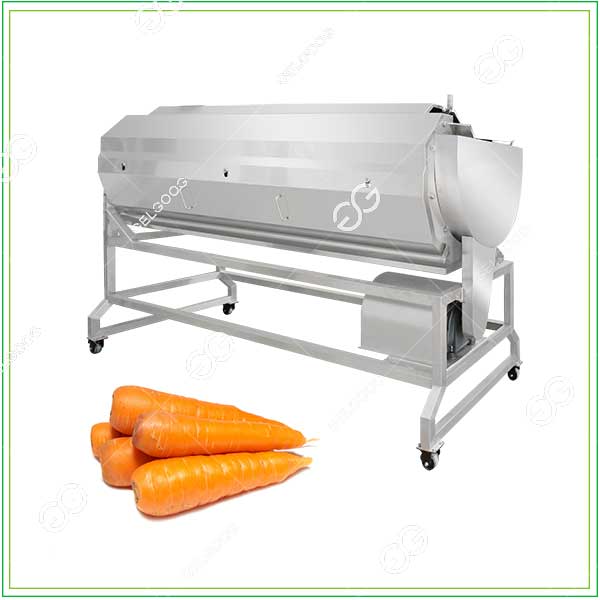
- Centrifugal lettuce dryer: Uses controlled rotation to remove surface water when the product and application permit.
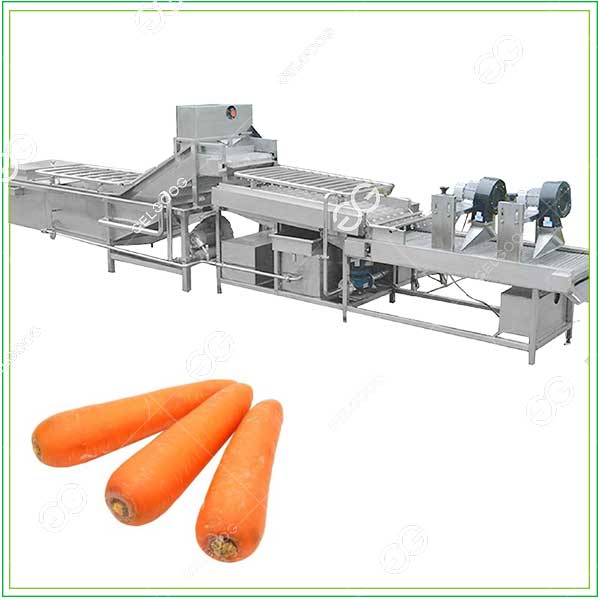
- Air drying conveyor: Uses directed airflow to remove additional surface moisture.
- Inspection conveyor: Provides an opportunity to inspect the washed product before packing.
Not every project requires all these machines. The correct choice depends on the lettuce variety, acceptable leaf damage, required residual moisture, packaging method, and production capacity.
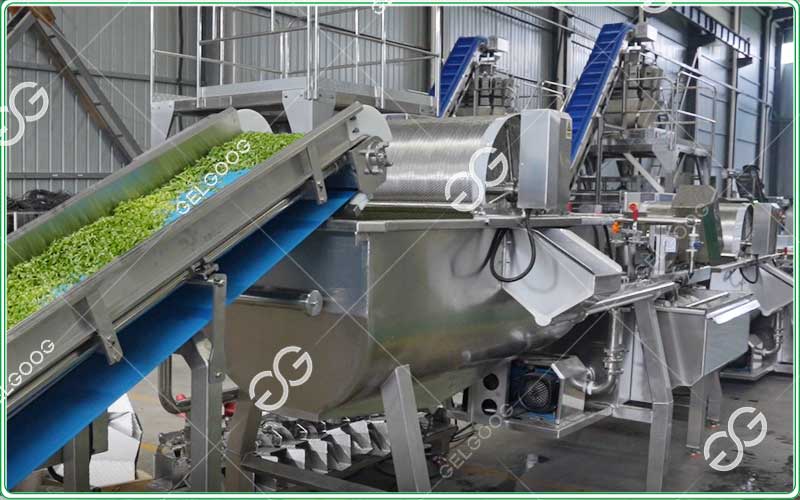
Lettuce Washing and Drying Line Process Flow
Typical sequence: Raw Lettuce → Sorting → Vortex Washing → Optional Rinsing → Dewatering → Air Drying → Inspection → Weighing and Packaging
- Raw Material Feeding and Sorting – First, fresh lettuce enters via the feeding conveyor or sorting station; then, operators remove damaged leaves, unwanted plant material, and unsuitable products before washing.
- Vortex Washing – Lettuce passes through the main vortex washing machine; circulating water helps separate soil and surface impurities from the leaves.
- Secondary Rinsing – For applications requiring an additional cleaning stage, a separate rinse with appropriately managed clean water can be included.
- Dewatering – A vibrating conveyor or suitable dewatering unit removes free water; as a result, the product is prepared for further surface moisture removal.
- Air Drying – An air drying conveyor reduces residual surface moisture before inspection or packaging; the required drying level determines equipment selection and conveyor arrangement.
- Inspection and Packaging – Cleaned lettuce moves to manual inspection, cutting, salad mixing, weighing, or packaging equipment as required; these downstream machines can be integrated into the complete solution.
Technical Specifications of the Industrial Lettuce Washing Line
The following table provides a project planning reference. Final specifications should be confirmed against the selected machine configuration.
| Parameter | Specification |
|---|---|
| Equipment name | Lettuce Washing and Drying Line |
| Core washing technology | Vortex washing |
| Reference processing capacity | 500 kg/h and above |
| Raw materials | Lettuce, iceberg lettuce, and selected leafy vegetables |
| Main functions | Washing, impurity removal, dewatering, and optional air drying |
| Washing stages | Single or multiple stages, depending on requirements |
| Drying configuration | Vibrating dewatering, centrifugal dewatering, air drying, or a suitable combination |
| Production mode | Configurable for continuous processing |
| Downstream options | Inspection, cutting, weighing, and packaging connections |
| Line layout | Customized to factory space and process requirements |
Important: The stated capacity is a starting requirement, not a guarantee that every configuration will deliver the same output. Actual throughput depends on lettuce type, feeding rate, washing stages, product condition, and required drying level.
Frequently Asked Questions About Lettuce Washing and Drying Lines
Q1. What is the capacity of an industrial lettuce washing and drying line?
A lettuce washing and drying line can be configured for 500 kg/h and above. The actual capacity depends on the lettuce variety, washing stages, feeding conditions, dewatering requirements, and complete line configuration.
Q2. What is vortex washing in lettuce processing?
Vortex washing uses circulating water to create a rolling flow inside a washing tank. As a result, this flow helps loosen soil and surface impurities while allowing the lettuce to move through the cleaning zone.
Q3. Can a vortex lettuce washing machine handle delicate leaves?
Yes, a properly configured vortex washer can handle delicate leafy vegetables. Water flow, feeding rate, conveyor transitions, and washing time should be adjusted to limit mechanical damage. Actual performance requires product testing.
Q4. Does a lettuce washing and drying line include air drying?
Air drying is an optional configuration depending on the required surface moisture level. A complete line may combine vortex washing, vibrating dewatering, centrifugal dewatering, and air drying as appropriate.
Customized Lettuce Washing and Drying Solutions From GELGOOG
GELGOOG provides fruit and vegetable processing equipment and can help configure a lettuce washing and drying solution around your production requirements.
The proposed system can focus on vortex washing as the core cleaning stage, with suitable conveyors and dewatering or air drying equipment selected for the intended application.
When requesting a quotation, please provide:
- Raw material: Whole lettuce, iceberg lettuce, cut lettuce, or mixed leafy vegetables.
- Required capacity: 500 kg/h, 1,000 kg/h, or another target.
- Processing condition: Freshly harvested, pre-trimmed, or cut lettuce.
- Drying requirement: Basic dewatering or additional surface moisture removal.
- Final product: Whole leaves, fresh-cut salad, bulk-packed lettuce, or retail packs.
- Factory information: Available installation space and required power supply.
Based on these details, the equipment configuration can be evaluated for your production line.
Contact GELGOOG to discuss an industrial lettuce washing and drying line with vortex washing and a capacity starting at 500 kg/h.
Reviews
There are no reviews yet.