
Zero-waste pineapple processing focuses on maximizing the value of every suitable pineapple. Instead of sending off-grade fruit directly to waste, processors can sort, grade, and direct fruit to different processing routes.
A complete pineapple processing line can connect sorting, grading, washing, peeling, coring, cutting, juice processing, canning, drying, and packaging.
GELGOOG combines these technologies to help pineapple processors improve raw-material utilization and develop multiple finished products.
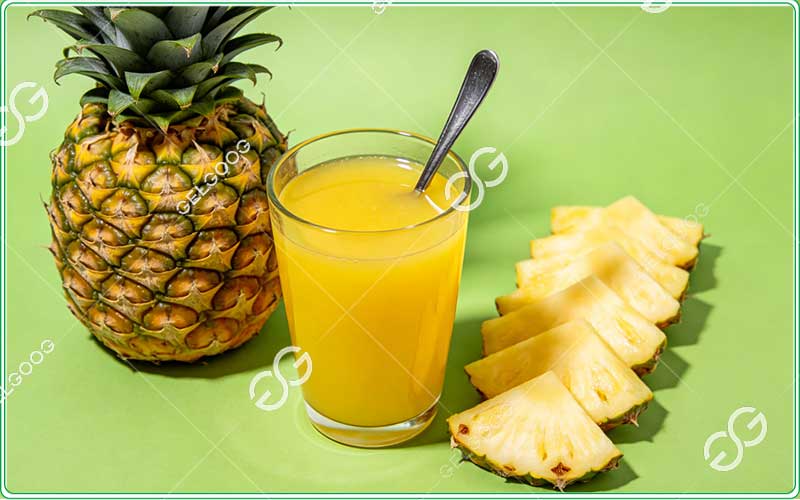
What Is Zero-Waste Pineapple Processing?
Zero-waste pineapple processing does not simply mean using 100% of every pineapple. Instead, it means reducing avoidable losses and finding the most suitable application for each usable part of the fruit.
For example:
- Premium fruit → fresh market
- Standard fruit → fresh packing or processing
- Processing-grade fruit → juice, jam, canning, or drying
- Suitable by-products → secondary utilization
- Spoiled or unsafe material → controlled disposal
Therefore, sorting becomes an important starting point for a higher-value pineapple processing strategy.
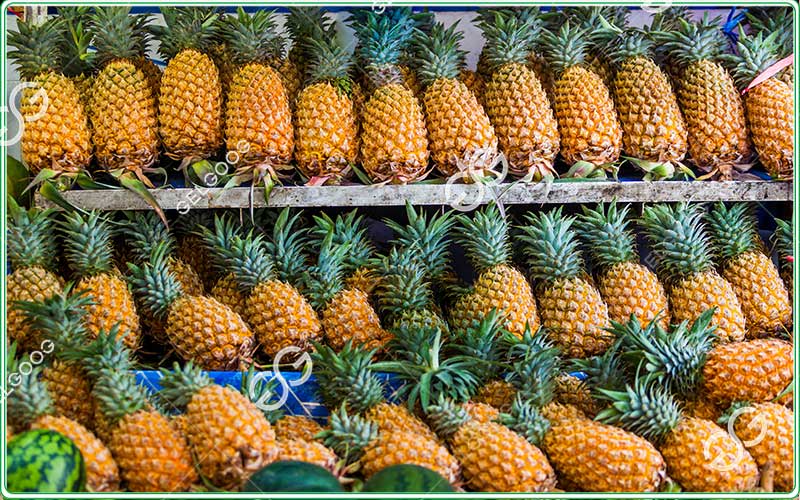
How Does a Zero-Waste Pineapple Processing Line Work?
A typical production flow can follow this structure:
Receiving → Washing → Sorting → Grading → Fresh Packing or Deep Processing → Peeling → Coring → Cutting → Final Processing → Packaging
The exact configuration depends on the pineapple variety, capacity, final products, and market requirements.
1. Sort and Grade Pineapples
First, the system separates pineapples according to quality, color, size, weight, and visible defects.
GELGOOG’s pineapple sorting and grading line can integrate optical inspection and weight grading. As a result, processors can send premium fruit to the fresh market while directing suitable processing-grade fruit to other production lines.
This approach reduces unnecessary rejection and improves raw-material utilization.
2. Choose the Right Processing Route
Next, processors can select different routes according to fruit quality and market demand.
Suitable pineapples can enter:
- Pineapple juice production
- Pineapple puree processing
- Pineapple jam production
- Canned pineapple processing
- Pineapple slices and chunks
- Dried pineapple production
In addition, suitable by-products can enter other resource-utilization processes when food safety, technology, and economics allow.
3. Optimize Peeling, Coring, and Cutting
After sorting, the processing equipment should match the target product.
For example, canned pineapple requires consistent slices or chunks, while a pineapple juice processing line follows a different cutting and extraction process.
Therefore, choosing the correct equipment configuration helps reduce unnecessary trimming and improve processing efficiency.
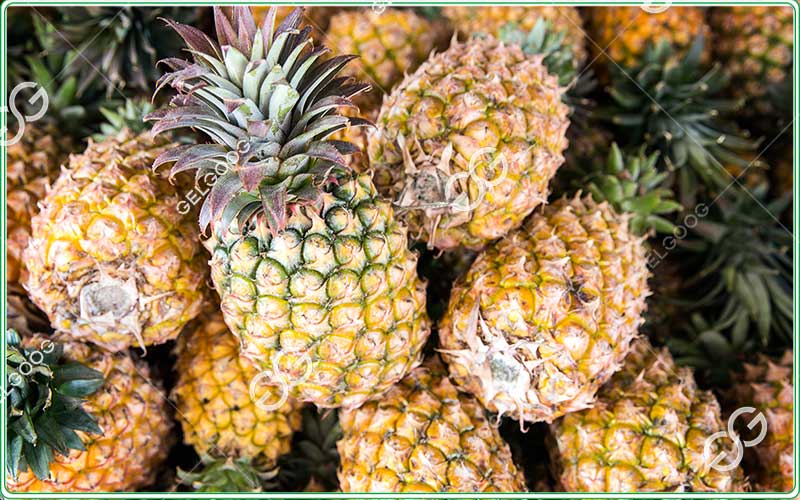
How GELGOOG Supports Zero-Waste Pineapple Processing
GELGOOG focuses on connecting pineapple sorting and grading with downstream processing.
The system can include:
- Pineapple washing
- Optical color sorting
- Weight grading
- Air drying
- Waxing
- Peeling
- Coring
- Cutting
- Juice processing
- Jam production
- Canning
- Drying
- Packaging
This flexible structure allows processors to build an industrial pineapple processing line around their actual production needs.
More importantly, sorting can become a connection point between fresh-fruit sales and deep processing.
Malaysia Pineapple Project
GELGOOG’s Malaysia pineapple project demonstrates the potential of combining sorting with high-value processing.
The project focused on pineapple deep processing and zero-waste utilization, with processing routes extending beyond fresh-fruit sales.
Instead of treating lower-grade fruit as waste, suitable fruit can enter further processing. Therefore, processors can create additional value through juice and other pineapple products.
This model shows how an integrated pineapple processing solution can improve resource utilization while supporting product diversification.
MAHA 2026: Multiple Pineapple Processing Routes
At MAHA 2026, GELGOOG presented a broader pineapple processing concept covering multiple production stages.
The solution includes pineapple washing, peeling, coring, cutting, sorting, grading, juice, jam, canned, and dried pineapple processing.
As a result, processors can select different product routes according to fruit quality and market demand.
This multi-route strategy is important for modern pineapple processors because market demand can change throughout the year.
How to Reduce Pineapple Processing Waste
A practical zero-waste strategy should focus on several points.
Reduce Fresh-Fruit Rejection
Accurate sorting helps separate premium fruit from processing-grade fruit.
Instead of using only one pass/fail standard, processors can create several commercial grades.
Redirect Suitable Off-Grade Fruit
Not every imperfect pineapple becomes waste.
For example, fruit with acceptable internal quality but lower external appearance may still work for juice, jam, canned products, or dried pineapple.
Improve Processing Yield
Peeling, coring, and cutting equipment should match the finished product.
Therefore, the processing plant can reduce unnecessary trimming and maintain consistent product specifications.
Utilize Suitable By-Products
Pineapple peels, cores, and trimmings may have potential for secondary applications.
However, processors should evaluate food safety, local regulations, technical feasibility, and economic value before selecting a reuse route.
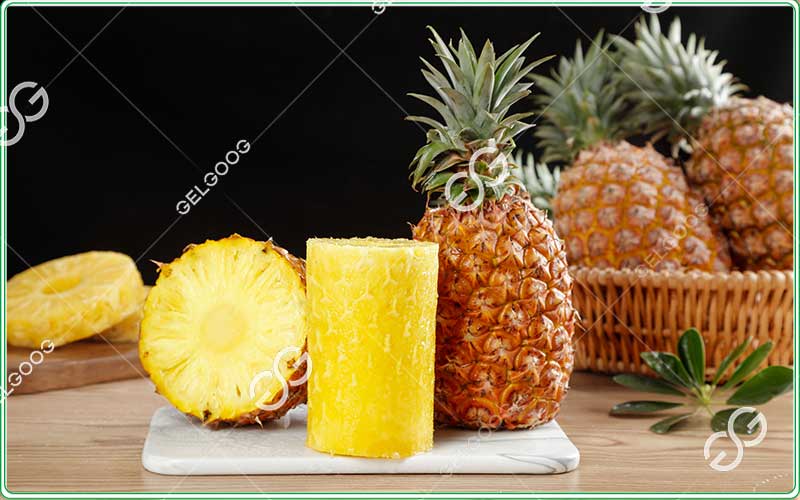
Why Pineapple Sorting Matters
The key idea behind zero-waste processing is simple:
One raw material → multiple grades → multiple processing routes → higher utilization
A modern pineapple sorting machine does more than remove defective fruit. It helps determine where each pineapple should go next.
For example:
| Fruit Condition | Processing Route |
|---|---|
| Premium quality | Fresh market |
| Standard quality | Fresh packing |
| Suitable processing fruit | Juice / jam / canning |
| Cutting-grade fruit | Slices / chunks / drying |
| Suitable by-products | Secondary utilization |
| Unsafe or spoiled material | Controlled disposal |
Therefore, sorting and grading can become the foundation of a flexible pineapple processing plant.
FAQ About Zero-Waste Pineapple Processing
What is zero-waste pineapple processing?
It is a processing strategy that minimizes avoidable losses by directing suitable pineapples and by-products to the most appropriate commercial or processing route.
Can off-grade pineapples be used for juice?
Yes. If the fruit remains suitable for food processing, lower external appearance can still allow it to enter juice or other deep-processing applications.
What products can a pineapple processing line make?
Depending on the configuration, a line can produce fresh-packed pineapple, juice, puree, jam, canned pineapple, slices, chunks, and dried pineapple.
Can GELGOOG customize a pineapple processing line?
Yes. GELGOOG can configure pineapple sorting and grading equipment and downstream processing machinery according to raw materials, capacity, finished products, grading standards, and packaging requirements.
Build a Higher-Value Pineapple Processing Line
Zero-waste pineapple processing starts with better raw-material classification and continues through efficient deep processing.
GELGOOG combines pineapple sorting, grading, washing, cutting, and deep-processing solutions to help processors build flexible production systems.
For companies planning an industrial pineapple processing line, the right starting point is to define the raw material, capacity, finished products, and grading requirements.
Related solution: Pineapple Sorting and Grading Line